
Introduction
Updated on April 27, 2026, with the latest Scandinavian architecture trends shaping modern minimalist homes and sustainable design ideas.
Scandinavian architecture trends focus on simplicity, natural materials, and functional design to create modern homes that feel calm, balanced, and deeply comfortable without relying on excessive decoration.
If you look at modern architecture today, you will notice something interesting. The loudest trends are not always the ones shaping the future. In fact, the most powerful changes often come from quieter ideas that slowly redefine how homes feel and function.
That is exactly what is happening with Scandinavian design.
Scandinavian architecture is not about dramatic shapes or bold statements. It is about creating spaces that feel natural, intentional, and easy to live in. It does not try to impress you instantly. Instead, it creates a sense of comfort that grows over time.
This is why so many homeowners today are moving toward Nordic-inspired homes. They want simplicity without emptiness, minimalism without coldness, and design that feels human rather than artificial.
If you have noticed the rise of soft minimal interiors, you can also explore Scandinavian home decor ideas to see how these architectural principles translate into everyday living spaces.
In this guide, we will explore seven quiet Scandinavian architecture trends that are shaping modern homes in subtle but powerful ways. These trends are not loud, but they are redefining what modern living truly feels like.
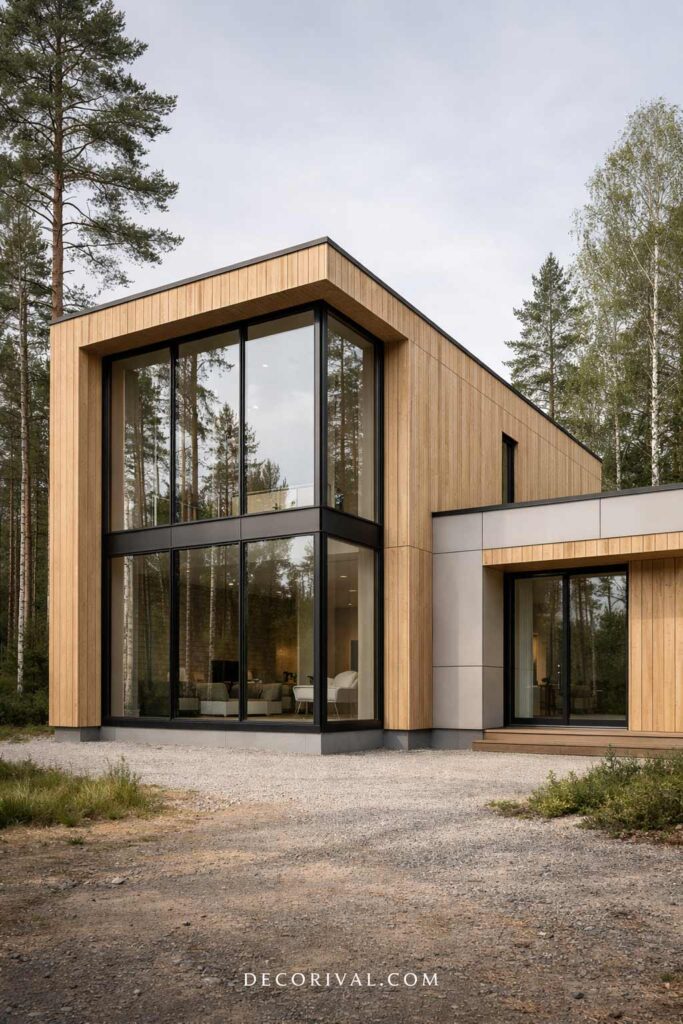
Scandinavian Architecture
Quick Overview
Scandinavian design focuses on simplicity, natural light, and a strong connection to nature. Instead of filling spaces with too many elements, it uses clean layouts, soft color palettes, and natural materials like wood, linen, and stone. The goal is to create homes that feel calm, functional, and comfortable to live in every day.
Quick Summary Table
| Element | Focus | Why It Matters |
|---|---|---|
| Light | Natural daylight, open spaces | Makes homes feel brighter and larger |
| Simplicity | Clean layouts, minimal clutter | Creates a calm and stress-free environment |
| Natural Materials | Wood, linen, stone | Adds warmth and organic texture |
| Neutral Colors | White, beige, soft gray | Keeps spaces airy and balanced |
| Functionality | Practical, usable design | Improves everyday living experience |
Together, these principles define the Scandinavian architecture trends that are reshaping modern homes in subtle yet powerful ways.
Trend 1 – Timber Architecture Bringing Warmth to Minimalism
One of the most defining Scandinavian architecture trends today is the use of timber as both a structural and visual element. Instead of heavy finishes, modern Nordic homes keep wood surfaces clean, natural, and expressive.
Vertical wood cladding has become especially popular because it adds texture without breaking the minimalist look.
Example:
A modern home with vertical timber panels and a simple rectangular form instantly feels warm, even with minimal decoration. When sunlight hits the wood, the facade subtly changes throughout the day.
Many projects now use materials like Nordic Timber Cladding or Engineered Wood Panels, which are durable, lightweight, and environmentally responsible.
Why it matters:
This approach brings warmth into minimalism while also supporting sustainable construction. It allows homes to feel modern without becoming cold or lifeless.

Nordic Timber Exterior Detail
Trend 2 – Expansive Glass Windows That Blur Indoor and Outdoor Living
Another key shift in Scandinavian architecture trends is the use of large glass surfaces to connect interiors with nature.
Instead of treating windows as simple openings, Nordic design uses them as architectural features.
Example:
Floor-to-ceiling windows facing a garden or landscape turn the outside view into a natural extension of the living space. Even a small backyard starts to feel like part of the home.
This idea is also reflected in modern interiors, where openness and light play a major role. You can see similar principles in Scandinavian living room ideas, where daylight becomes part of the design.
Why it matters:
Natural light improves mood, reduces energy use, and makes spaces feel larger. It shifts the focus from decoration to experience.
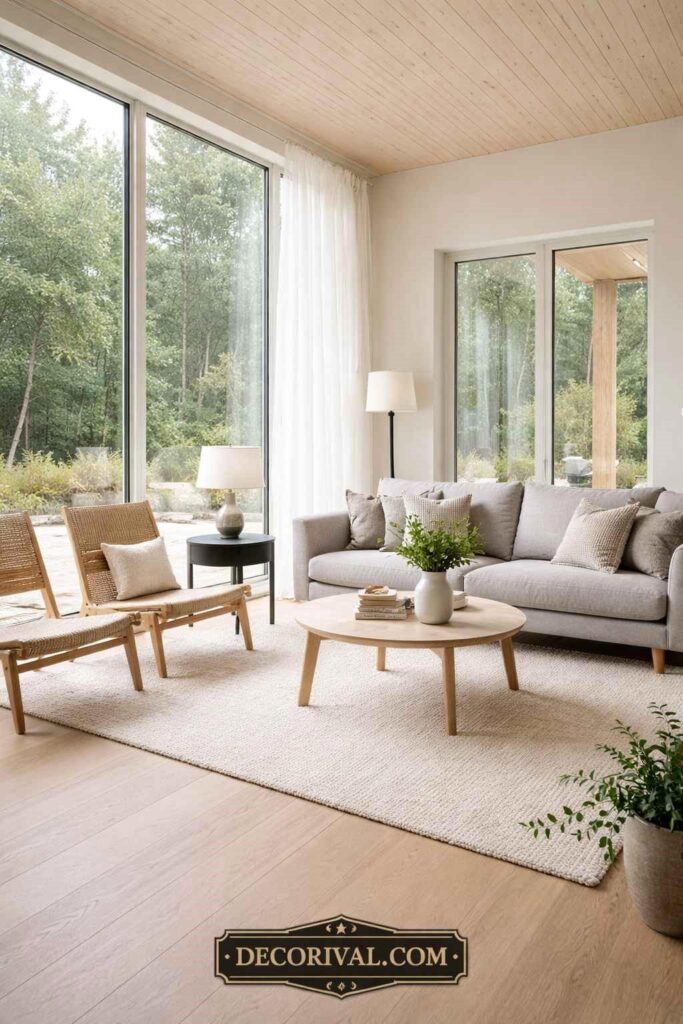
Large Glass Window Scandinavian Interior
Trend 3 – Minimalist Nordic Building Concepts That Prioritize Function
Minimalism in Scandinavian design is not about removing everything. It is about keeping only what matters.
Modern Nordic homes use simple forms, clean lines, and practical layouts to create clarity.
Example:
A home with open-plan living, hidden storage, and clean geometric shapes feels effortless to move through. Nothing feels forced or overdesigned.
This philosophy extends into everyday spaces like kitchens as well. For example, Kitchen Design Guide follows the same principle of function-first design.
Why it matters:
This approach improves how people actually live in a space. It reduces clutter, enhances usability, and creates a sense of calm that is hard to achieve with complex layouts.

Minimalist Nordic House Form
Trend 4 – Sustainable Scandinavian Buildings Focused on Energy Efficiency
Sustainability is not an add-on in Nordic design. It is built into the architecture from the beginning.
Modern Scandinavian architecture trends focus heavily on reducing energy use while maintaining comfort.
Example:
Homes often include triple-glazed windows, passive solar orientation, and natural ventilation systems. These features work together without being visually intrusive.
Below is a simple comparison:
Sustainability Comparison Table
| Feature | Traditional Building | Scandinavian Approach |
|---|---|---|
| Materials | Concrete heavy | Timber and natural finishes |
| Lighting | Artificial reliance | Daylight focused |
| Heating | Energy intensive | Passive insulation design |
Why it matters:
This design philosophy creates homes that are not only better for the environment but also healthier and more comfortable to live in long term.

Sustainable Scandinavian Home Exterior
Trend 5: Japandi Influence Creating Calm and Grounded Spaces
A subtle but powerful shift in Scandinavian architecture trends is the rise of Japandi design. This fusion of Nordic and Japanese principles goes beyond minimalism and focuses on emotional comfort.
Instead of bright white-only interiors, architects are now introducing deeper tones like warm oak, matte stone, and textured ceramics. Spaces feel more grounded, quieter, and intentional.
What changes the most is the atmosphere. Rooms are no longer just clean; they feel calm. Lower furniture profiles, softer lighting, and smoother transitions between spaces create a sense of stillness.
In smaller homes, this approach works especially well. You can see similar calm-focused layouts in Scandinavian home decor for small apartments, where simplicity meets warmth without feeling empty.
This trend reflects a shift from “minimal design” to “meaningful design.”

Japandi Scandinavian Interior Architecture
Trend 6: Light-Filled Homes With Open Layout Thinking
Modern Nordic homes are moving away from rigid room divisions and toward open, flowing layouts.
The idea is simple: let light move freely.
Instead of blocking spaces with walls, architects design interiors where living, dining, and kitchen areas connect naturally. This creates a brighter and more social environment.
Think of pale wood floors, soft white walls, and minimal barriers. Even small homes start to feel more spacious when light is allowed to travel.
Below is a quick comparison:
Open Layout Advantages Table
| Layout Style | Traditional Design | Scandinavian Open Design |
|---|---|---|
| Room Separation | Closed walls | Flowing spaces |
| Light Distribution | Limited daylight | Even natural lighting |
| Visual Space | Smaller feel | Larger atmosphere |
What makes this trend powerful is not just the look, but the experience. A well-lit home feels more relaxed, more usable, and easier to live in every day.
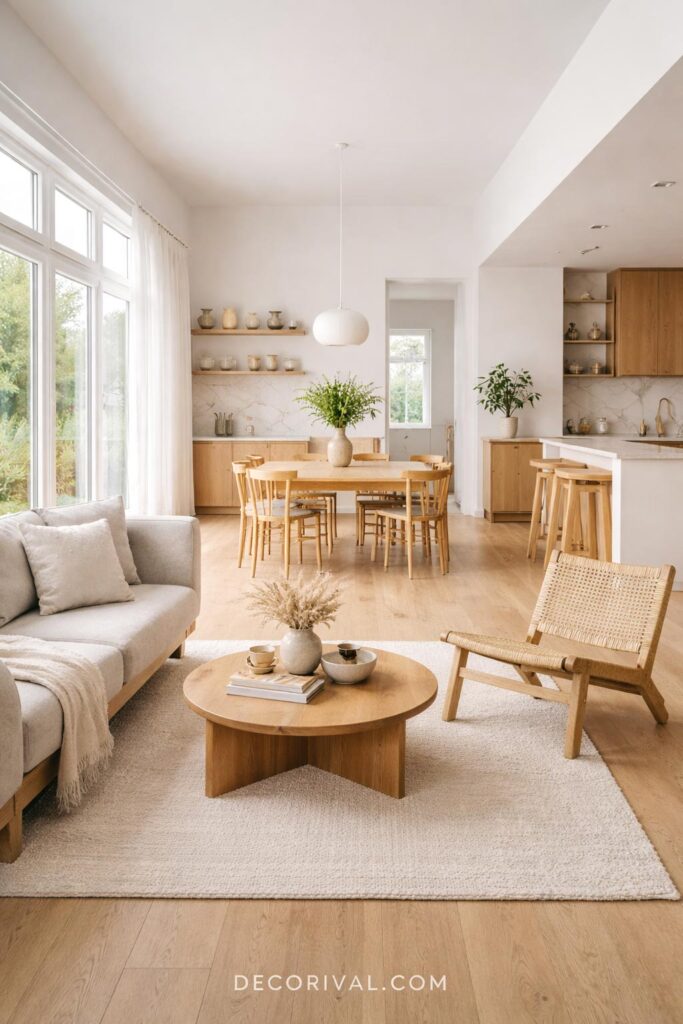
Open Layout Scandinavian Interior Flow
Trend 7: Organic Design Inspired by the Landscape
A quieter evolution in Scandinavian architecture trends is the move toward organic, nature-driven design.
Instead of strict geometric forms, architects are designing homes that follow the natural environment.
You will notice curved pathways, stone textures, and structures that blend into forests or hills rather than standing apart from them.
For example, modern Nordic cabins often follow the slope of the land instead of flattening it. Rooflines mirror nearby landscapes, and materials are chosen to age naturally over time.
This approach is not just aesthetic; it is philosophical.
Homes are no longer treated as separate objects. They become part of the environment.
That is why organic design feels different. It is quieter, more grounded, and more connected to nature, something modern homeowners are increasingly looking for.

Organic Scandinavian architecture trends Cabin Exterior
Why Scandinavian Architecture Trends Are Becoming Popular Today
Scandinavian architecture trends are not gaining attention just because they look good. They are becoming popular because they solve real problems in modern living.
Today, people want homes that feel calm, functional, and easy to live in. Overdesigned spaces with too many elements are slowly losing appeal.
Nordic design offers a different approach. It focuses on simplicity without making spaces feel empty. It brings in natural light, uses materials that age well, and creates layouts that actually support daily life.
Another reason behind the rise of Scandinavian architecture trends is flexibility. These ideas work in large homes, small apartments, and compact urban spaces without losing their essence.
There is also a growing awareness of sustainability. Homeowners are paying more attention to energy use, materials, and long-term comfort. Scandinavian design naturally supports this shift without adding complexity.
In short, it is not just a design style. It reflects a broader move toward more intentional and balanced living.
Common Mistakes to Avoid
Even though Scandinavian architecture trends focus on simplicity, they are often misunderstood.
Here are some common mistakes:
Making the space too empty instead of minimal
Using only white without adding warmth
Ignoring natural textures like wood and fabric
Overdecorating with unnecessary items
Blocking natural light with heavy curtains or layouts
Choosing style over functionality
The goal is balance. A Scandinavian home should feel calm, but never cold or unfinished.
Quick Design Principles
If you want to apply Scandinavian architecture trends in your own home, keep these principles in mind:
✔ Focus on natural light as much as possible
✔ Use simple and functional layouts
✔ Choose natural materials like wood, linen, and stone
✔ Keep colors soft and neutral
✔ Add warmth through textures, not clutter
✔ Prioritize comfort and usability over decoration
Even small changes based on these principles can create a noticeable difference.
Frequently Asked Questions
What are Scandinavian architecture trends?
Scandinavian architecture trends focus on simplicity, natural materials, functionality, and a strong connection to nature in modern home design.
Why are Scandinavian architecture trends so popular today?
They are popular because they create calm, practical, and comfortable living spaces that match modern lifestyles.
Are Scandinavian architecture trends suitable for small homes?
Yes, many Scandinavian architecture trends are ideal for small homes because they maximize light, space, and functionality.
What materials are used in Scandinavian architecture?
Wood, stone, glass, and natural fabrics are commonly used to create warmth and balance.
How can I apply Scandinavian architecture trends at home?
Use neutral colors, natural materials, simple layouts, and reduce clutter while focusing on comfort.
Are Scandinavian architecture trends expensive?
Not necessarily. These trends focus on simplicity and function, which can be adapted to different budgets.
Conclusion
Scandinavian architecture trends show that modern design does not need to be loud to be powerful.
Through simplicity, natural materials, and thoughtful planning, they create homes that feel calm, functional, and deeply comfortable.
These trends are not about following a style for appearance. They are about improving how we experience our living spaces every day.
From timber exteriors and expansive windows to open layouts and sustainable design, each element reflects a shift toward more intentional living.
If you apply even a few of these Scandinavian architecture trends, your home can start to feel more open, more balanced, and more connected to everyday life.
For more modern home inspiration and practical design ideas, you can explore Decorival.com.