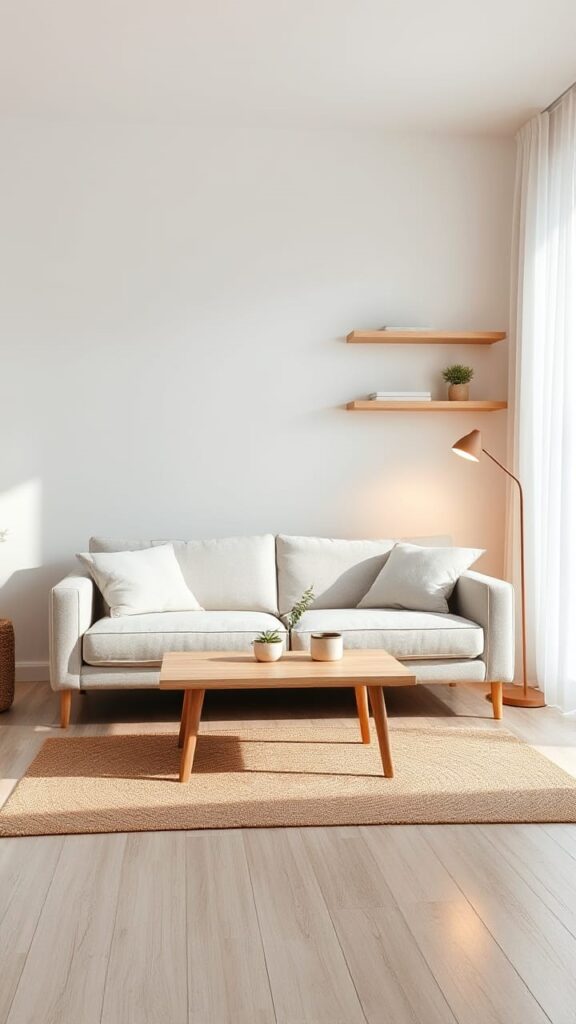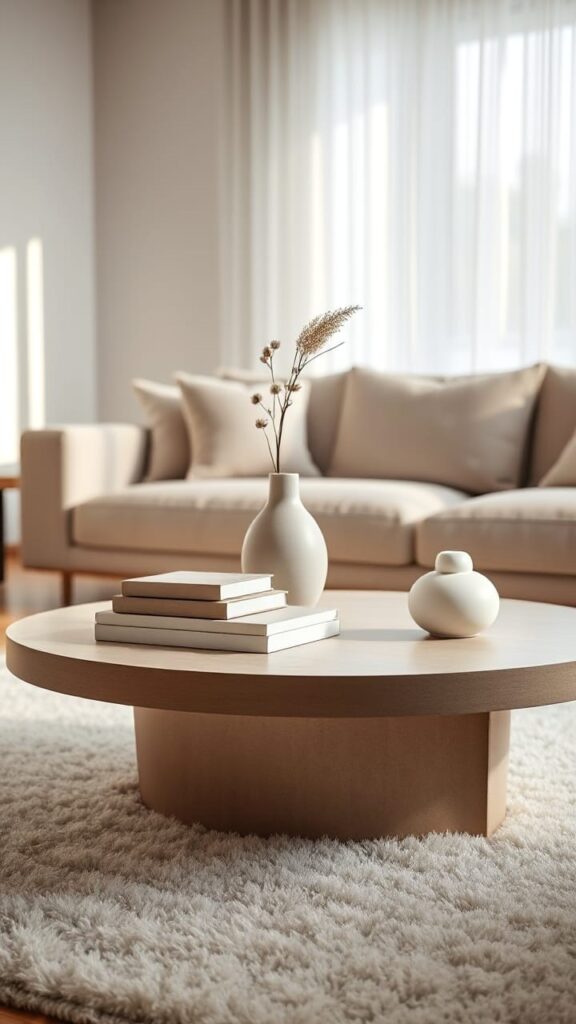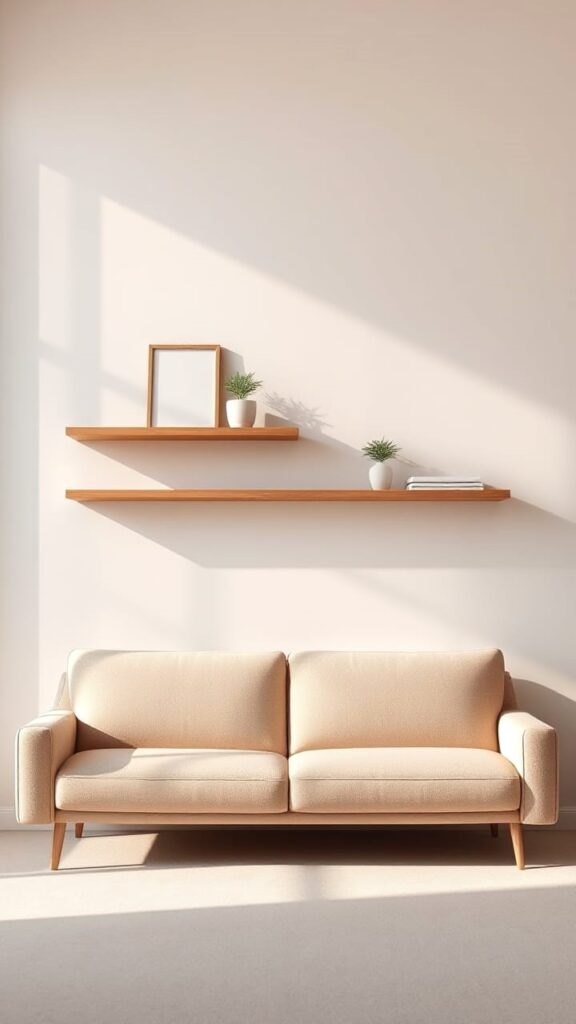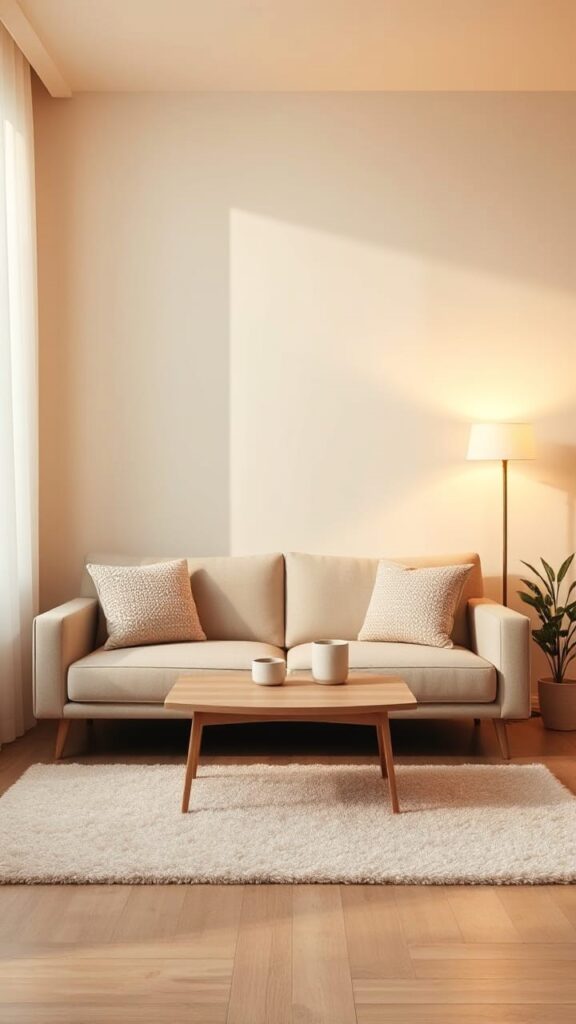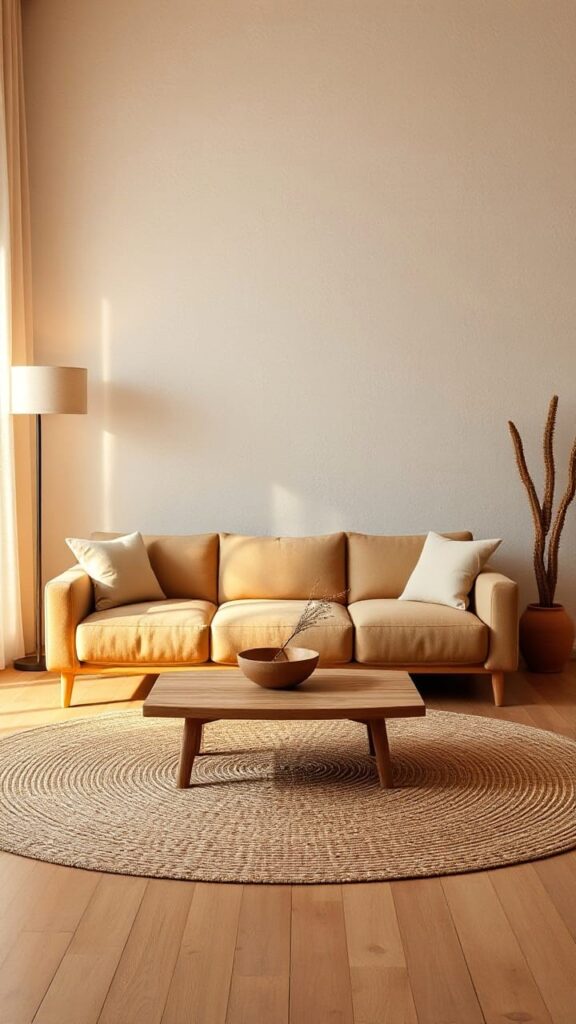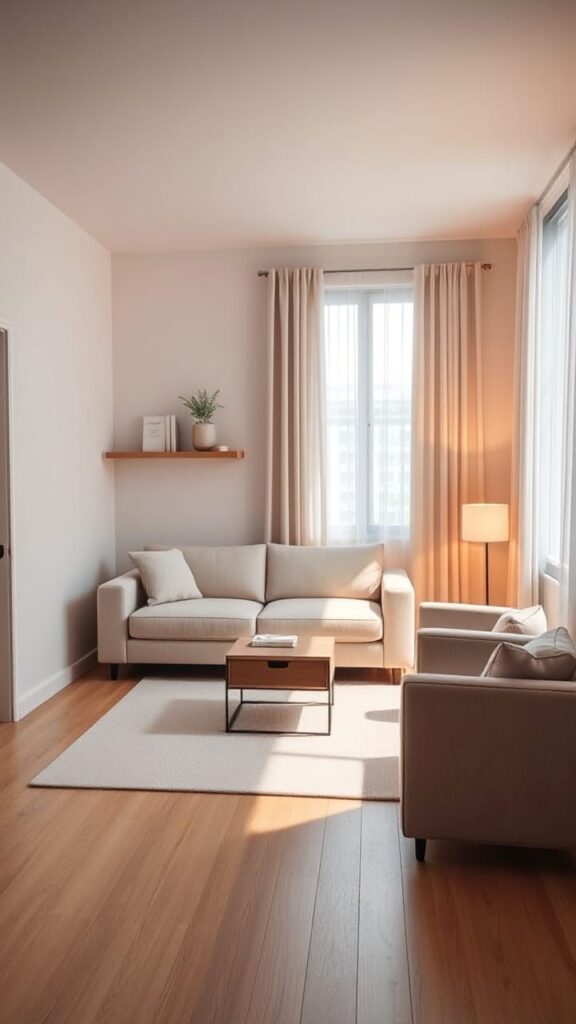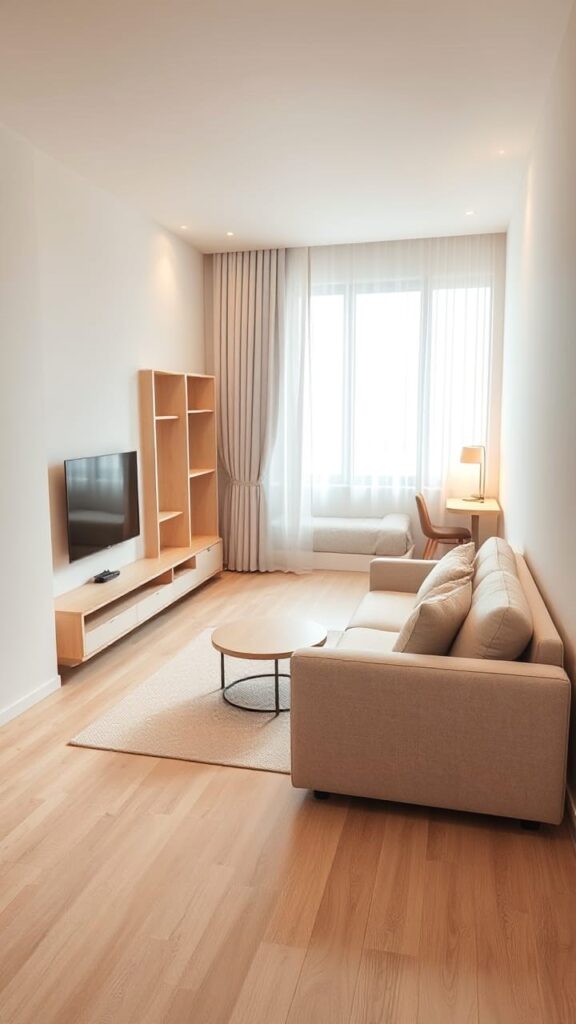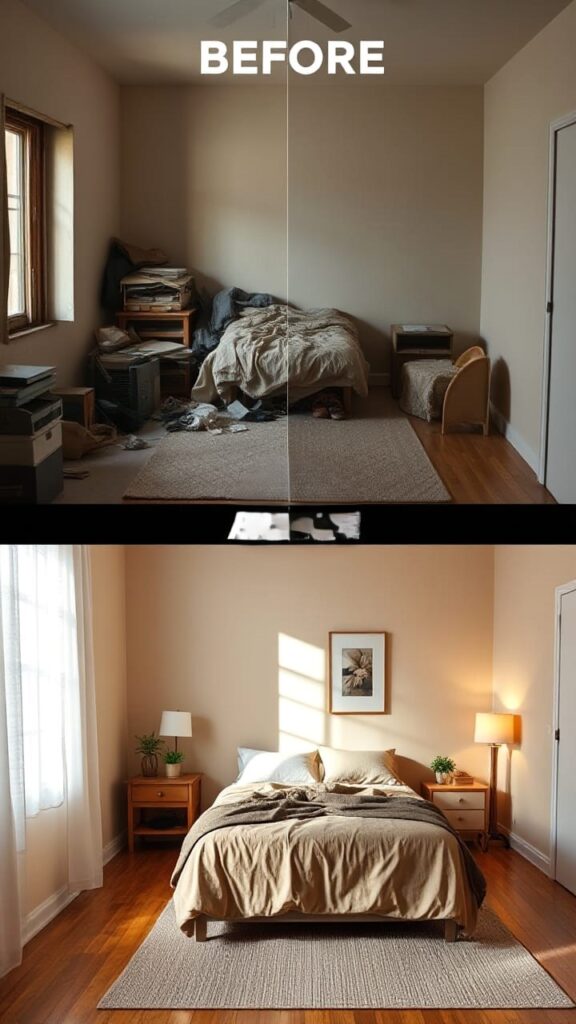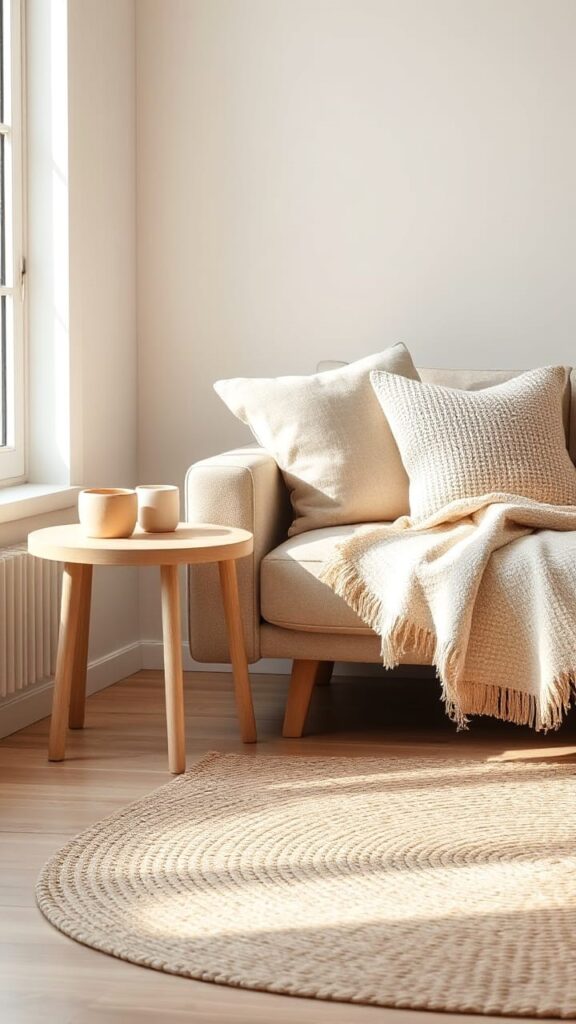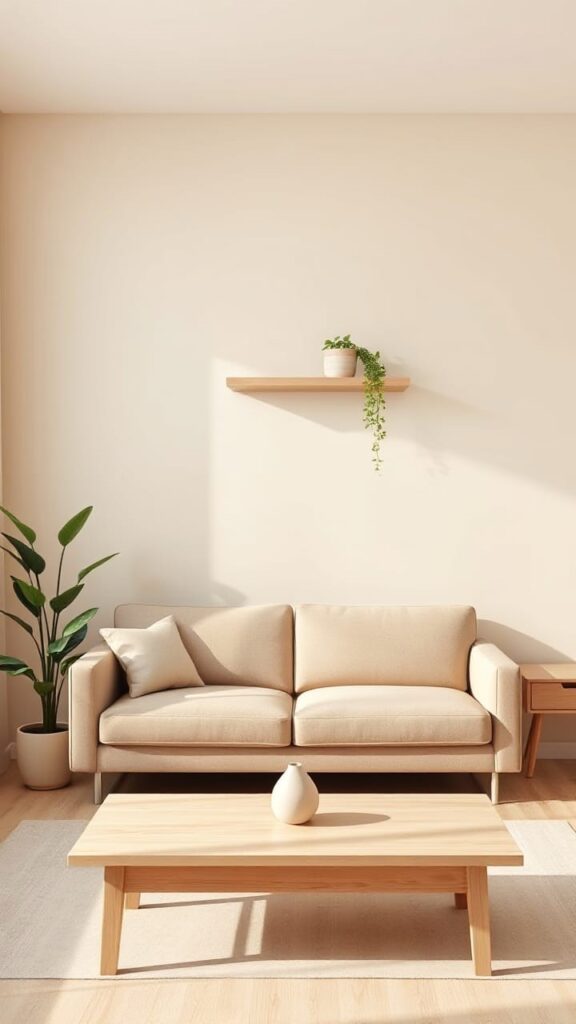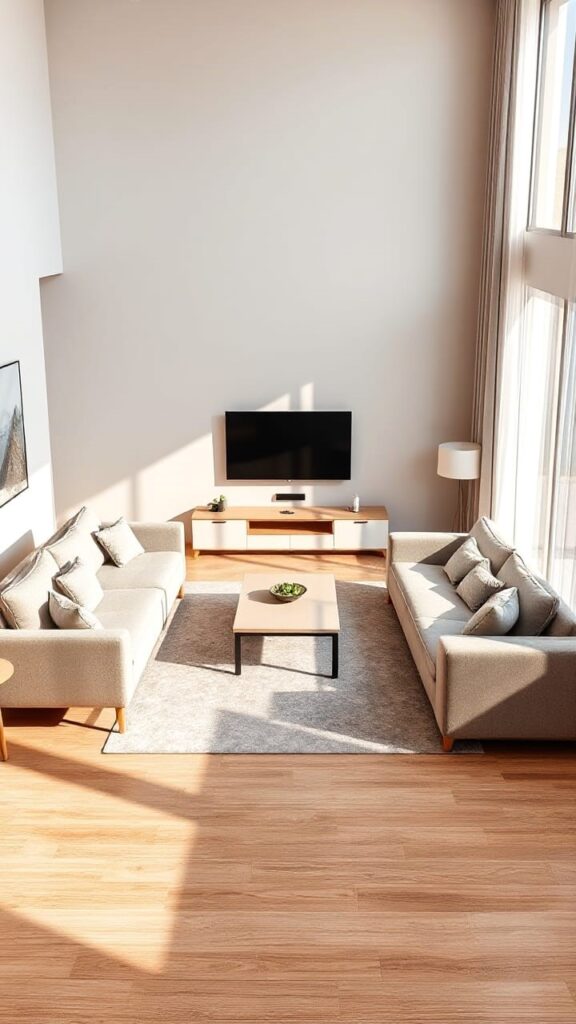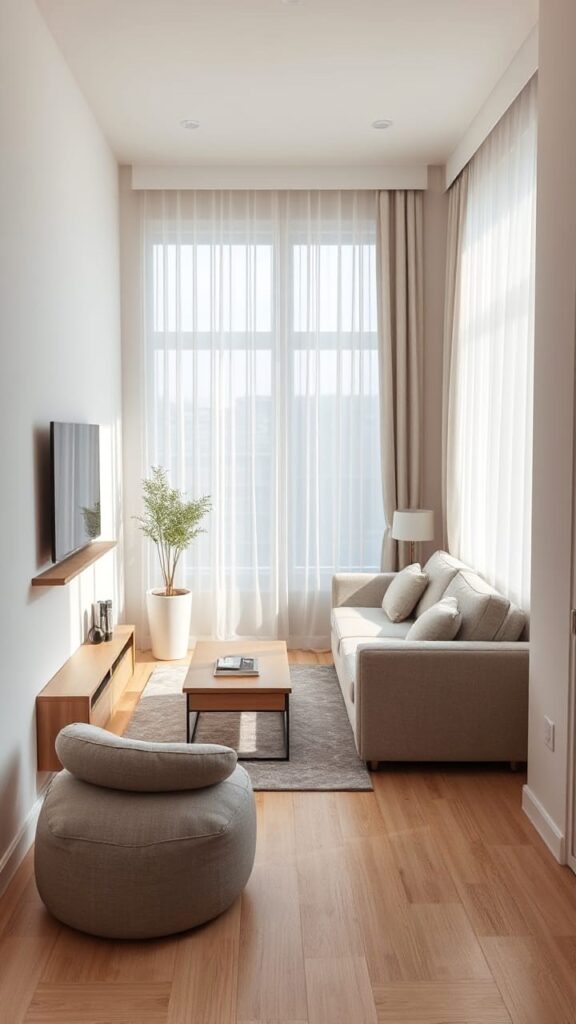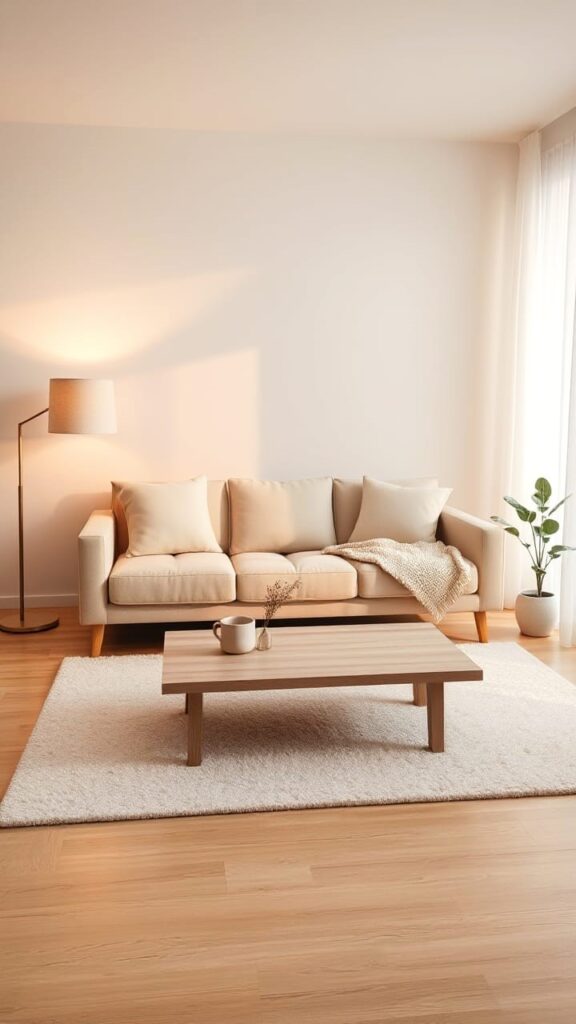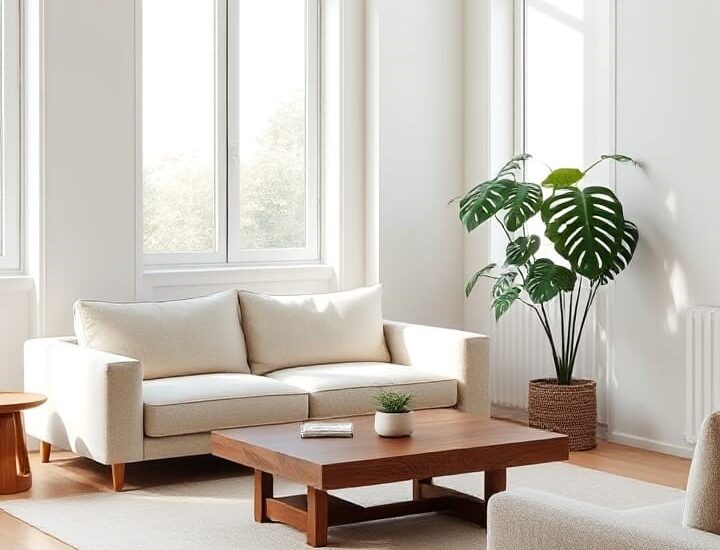
minimalist living room interior

30+ Minimalist Living Room Ideas for a Calm, Clutter-Free Space

Posted by

In This Article

Introduction: Why Minimalist Living Rooms Feel So Good

You know that feeling when you walk into a room and instantly feel lighter?
Not because it’s empty, but because nothing is competing for your attention.

That’s what a good minimalist living room does. It gives your mind a break.

And honestly, that’s something most homes are missing today.

Minimalism isn’t about removing everything or making your space look cold. It’s about keeping what actually adds value to your life and letting go of the rest. When you stop filling your living room with random decor, extra furniture, and things you don’t really use, the space starts to feel calm and intentional.

Instead of asking, “What else should I add?”
You start asking, “What can I remove to make this better?”

That shift changes everything.

Your living room doesn’t need five different decor styles or shelves full of items you barely notice. It needs a few thoughtful pieces, enough open space to breathe, and comfort you actually enjoy every day.

If you like this clean and intentional style, you can also explore minimalist room decor ideas that feel calm and look expensive for more inspiration.

In this guide, you’ll find 30+ minimalist living room ideas that actually work in real homes. Whether your space is small or large, these ideas will help you create a living room that feels simple, functional, and genuinely relaxing.

Let’s clear the clutter and make your space feel better.

What Makes a Living Room Actually Minimalist?

Before we jump into ideas, it helps to understand what minimalist living room decor really means in real life.

Minimalism isn’t about having less just for the sake of it. It’s about being intentional with what you keep in your space.

A minimalist living room is not empty or boring. It feels calm because everything in it has a purpose. Nothing is random, nothing feels out of place.

Instead of filling your room with more furniture or decor, you focus on choosing better pieces.

That’s the real shift.

If you’ve been noticing how modern spaces are moving toward simpler and softer styles, you’ll also like living room trends 2026 that focus on Scandinavian neutrals and clean minimalism.
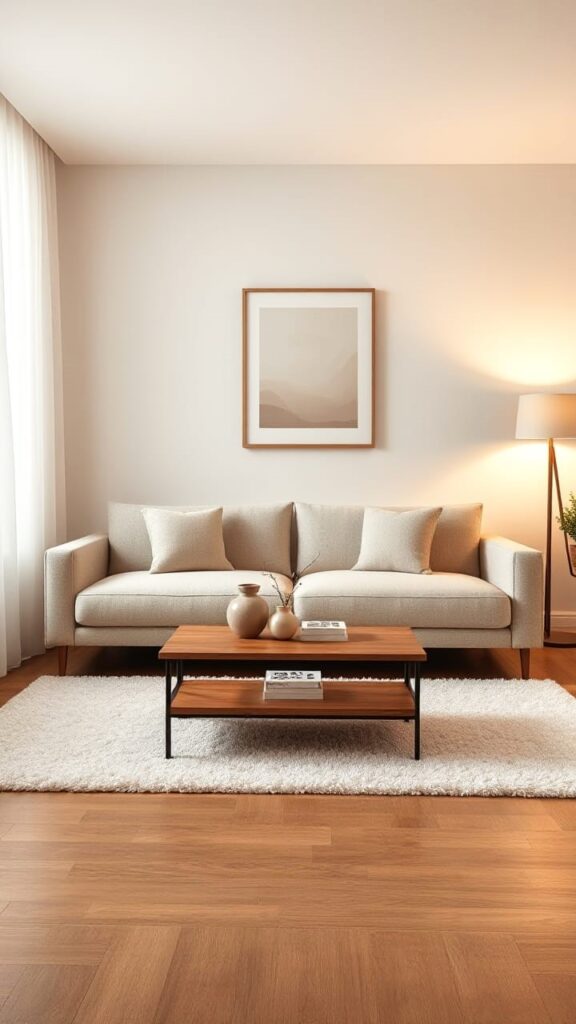
Minimalist Living Room Decor | Soft Neutral Style

Minimalist Living Room Decor | Soft Neutral Style

1. The Foundation: Essential Minimalist Furniture Pieces

Let’s talk about what really makes a difference.

In a minimalist living room, furniture isn’t about filling space. It’s about choosing pieces that actually serve a purpose and make your space feel better to live in.

Every item should earn its place.
If it doesn’t add comfort, function, or visual calm, it’s probably just creating noise.

The Sofa – Your Anchor Piece

Your sofa is the center of everything.

It’s where you sit, relax, unwind, and spend most of your time. So instead of overthinking small decor items, focus on getting this one piece right.

A good minimalist sofa should feel simple and comfortable, not heavy or overdesigned.

Look for:

  • clean lines
  • neutral shades like beige, grey, or off-white
  • a shape that feels light, not bulky

Avoid anything too decorative. Extra carvings, loud patterns, or oversized designs can quickly make the room feel crowded.

A great example is the IKEA KIVIK 3-Seat Sofa. It has a low profile, simple design, and practical features like washable covers. It doesn’t try to stand out too much, and that’s exactly why it works so well in a minimalist setup.

Why it works:

  • clean design without unnecessary details
  • neutral colors that blend easily
  • deep, comfortable seating
  • removable and washable covers
  • budget-friendly for most homes
Minimalist Living Room Decor - Scandinavian Neutral Style

Minimalist Living Room Decor | Scandinavian Neutral Style

Coffee Table – Function Meets Form

A coffee table might seem like a small detail, but it plays a big role in how your living room feels.

In a minimalist space, it should look simple but still be useful.

Instead of choosing something purely decorative, go for a table that can also help keep things organized.

The West Elm Mid-Century Pop-Up Storage Coffee Table is a great example. It has a clean design on the outside but hidden storage inside, which helps you keep everyday items like remotes, books, or chargers out of sight.

If you’re working with a smaller budget, the Amazon Basics Rectangular Coffee Table with Bottom Shelf is a solid choice. It’s simple, affordable, and does exactly what it needs to do without adding visual clutter.

That’s really what minimalist living room ideas are about: choosing pieces that quietly do their job without demanding attention.

Minimalist Coffee Table Styling | Clean & Modern Look

Minimalist Coffee Table Styling | Clean & Modern Look

Seating: One or Two Chairs Maximum

One of the biggest mistakes people make is adding too much seating.

It feels like more furniture means more comfort, but in reality, it often makes the room feel tight and cluttered.

In most cases, one or two well-chosen accent chairs are more than enough.

When choosing chairs, look for:

  • simple, clean shapes
  • neutral fabric or tones
  • visible legs (wood or metal) to keep the space feeling open
  • comfort without bulky design

The goal is to create a balanced setup where people can sit comfortably, without overcrowding the room.

If you like a slightly warmer and more relaxed look, you can also explore cozy farmhouse living room ideas that still keep things simple but feel more inviting.
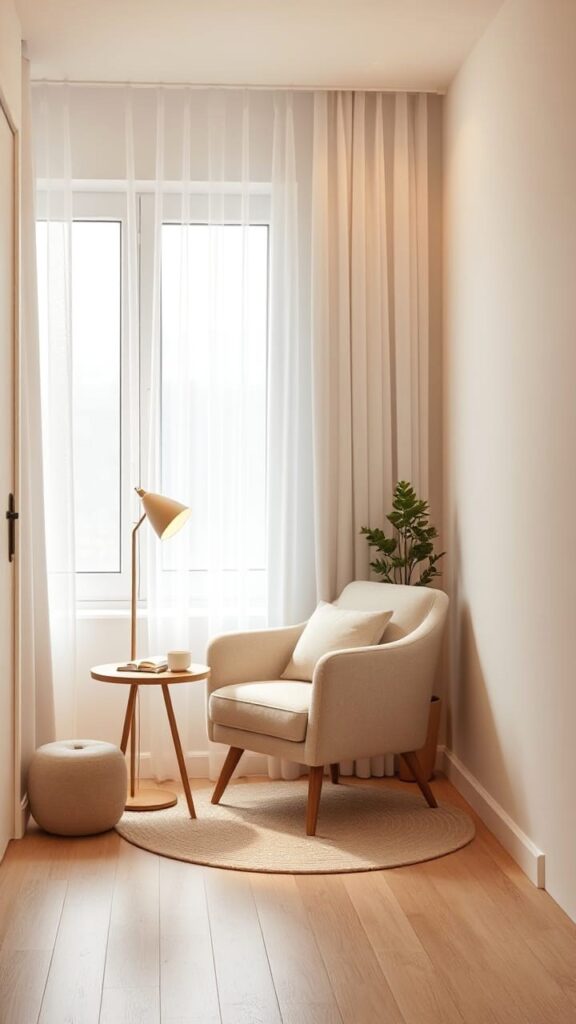
Minimalist Reading Corner | Cozy & Modern Home Style

Minimalist Reading Corner | Cozy & Modern Home Style

Storage Solutions – The Invisible Heroes

This is where minimalism really starts to work in real life.

You still need storage. The difference is that in a minimalist living room, it should not be obvious.

Good storage keeps your space clean without drawing attention to itself.

Here are some smart options:

  • floating shelves to display only what you truly like
  • closed cabinets to hide everyday clutter
  • multi-functional furniture like storage ottomans or benches
  • wall-mounted units that keep the floor area clear

When your storage is done right, your living room feels calm without you constantly trying to clean or rearrange things.

Minimalism isn’t about removing everything.

It’s about choosing the right things and letting them do their job quietly, so your space feels simple, open, and easy to live in.

Minimalist Floating Shelf Decor | Clean & Modern Style

Minimalist Floating Shelf Decor | Clean & Modern Style

2. Color Schemes That Actually Work

Let me make this simple for you.

If there’s one thing that instantly makes or breaks a minimalist living room, it’s color.

And no, minimalist doesn’t mean everything has to be plain or boring. It just means your colors should feel calm, connected, and easy on the eyes.

Most minimalist living room ideas work best when you stay in the neutral zone, but how you layer those neutrals is what creates depth and style.

The Classic White & Grey Palette

This is the safest and most timeless option.

If you’re confused about where to start, just go with this. It almost always works.

Instead of using one flat color, the trick is to layer different shades so the room doesn’t feel dull.

Simple formula:

  • Walls: soft white or light grey
  • Sofa: medium grey or warm beige
  • Accents: darker grey, black, or natural wood
  • Texture: this is what adds life (we’ll talk about it more next)

This combination keeps your space clean and balanced without feeling empty.

If you want to take it a step further, you can explore living room color combinations that still follow a minimal look but feel more styled and refined.
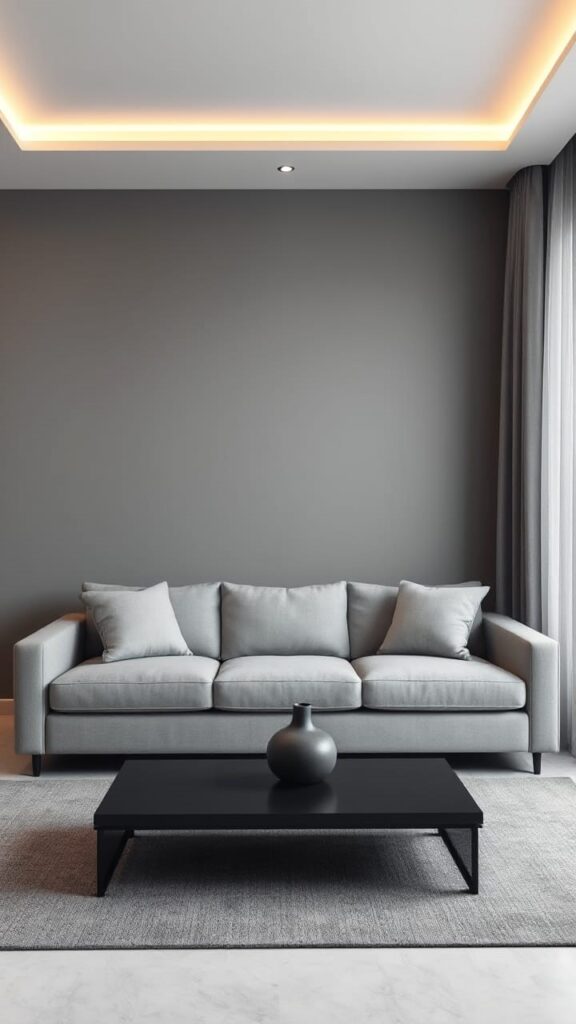
Monochrome Minimalist Living Room | Modern Grey Aesthetic

Monochrome Minimalist Living Room | Modern Grey Aesthetic

Warm Neutrals – The Cozy Approach

Now, if you like minimalism but don’t want it to feel cold, this is your style.

Warm neutrals bring comfort into the space without adding visual clutter.

Think of colors that feel soft and natural, not sharp.

Palette idea:

  • Base: warm white or cream walls
  • Furniture: beige, tan, or camel tones
  • Wood: light oak, walnut, or natural pine
  • Accents: terracotta, rust, or warm grey

This kind of setup feels relaxed and inviting.

It’s still minimal, but it has more personality.

Honestly, this is the style most people end up loving because it feels like home, not a showroom.

Warm Minimalist Living Room | Cozy Neutral Home Style

Warm Minimalist Living Room | Cozy Neutral Home Style

Earth Tone Elegance

If you want something slightly different but still calm, earth tones are a great choice.

These colors are inspired by nature, so they automatically feel grounded and peaceful.

Common shades:

  • muted greens
  • soft browns
  • sandy beige
  • clay and dusty terracotta

You don’t need to use all of them.

Even adding one or two earthy tones to a neutral base can completely change the feel of your living room.

This style has become really popular recently because it feels modern but still very natural.


The key with all these palettes is simple:

Don’t mix too many colors.
Pick a direction, stay consistent, and let your space feel calm instead of crowded.

Earthy Minimalist Living Room | Organic Modern Aesthetic

Earthy Minimalist Living Room | Organic Modern Aesthetic

Small Space Minimalist Living Room Ideas

Living in a small space? Then, honestly, minimalism is not just a style; it’s your biggest advantage.

When you don’t have a lot of square footage, every decision matters. The good news is, the right minimalist living room ideas can make even a small room feel open, calm, and surprisingly spacious.

Let’s look at what actually works in real homes.

1. Float Your Furniture

Most people push all their furniture against the walls, thinking it will make the room feel bigger.

But in reality, it often does the opposite.

Pulling your sofa or chairs slightly away from the wall, even by a few inches, creates better flow in the room. It gives your layout some breathing space and makes everything feel more intentional.

It might feel strange at first, but once you try it, the difference is noticeable.

2. Go Leggy

This is a small detail that makes a big impact.

Furniture with visible legs allows you to see more of the floor, and that instantly makes the room feel lighter and more open.

Compare that to bulky furniture that sits directly on the floor; it blocks the visual space and makes the room feel heavier.

So when choosing sofas, chairs, or tables, go for designs with:

  • raised legs
  • slimmer profiles
  • lighter visual weight

This is one of those simple minimalist living room ideas that quietly improve your space without extra effort.

3. Mount Everything You Can

When you’re working with limited space, your walls are your best friend.

The more you can move things off the floor, the better your room will feel.

Think about:

  • wall-mounted TV
  • floating shelves
  • wall lights instead of floor lamps

When the floor stays clear, your room automatically looks bigger and less cluttered.

If you’re dealing with tight layouts, you might also find useful ideas in small studio apartment decor ideas, where space-saving is everything.

Small Apartment Living Room Ideas | Minimalist Space-Saving Style

Small Apartment Living Room Ideas | Minimalist Space-Saving Style

4. Mirror Magic

Mirrors are one of the easiest ways to visually expand a small room.

A well-placed mirror reflects both light and space, which makes the room feel almost double its size.

For best results:

  • Use one large mirror instead of many small ones
  • Place it opposite a window or light source
  • Keep the frame simple to match your minimalist style

It’s a simple trick, but it works every time.

5. Dual-Purpose Everything

In a small living room, every piece of furniture should do more than one job.

This is where smart design really matters.

Look for:

  • ottomans with hidden storage
  • coffee tables that can lift or expand
  • sofa beds for extra sleeping space

This helps you reduce clutter while still having everything you need.

And that’s the core idea behind good minimalist living room ideas: fewer pieces, but each one works harder.


Small spaces don’t need more furniture.

They need smarter choices.

Studio Apartment Ideas | Functional Minimalist Small Space Design

Studio Apartment Ideas | Functional Minimalist Small Space Design

Budget-Friendly Minimalist Living Room Transformation

Here’s something most people don’t realize:

Minimalism doesn’t make you spend more.
It actually helps you spend smarter.

When you focus on fewer, better choices, you naturally stop buying things you don’t need. And that’s where the real savings happen.

If you’re trying to follow minimalist living room ideas on a budget, this is the best place to start.

Start With What You Already Have

Before buying anything new, take a step back and look at your current space.

This is where the real transformation begins.

Try this simple reset:

  • remove everything from your living room
  • Bring back only what you actually use or love,
  • store or donate the rest
  • Notice what’s missing, not what’s extra

Most of the time, you’ll realize you don’t need as much as you thought.

Cost: $0
Impact: honestly, huge

This step alone can make your space feel lighter and more organized.

The Budget Breakdown (Simple and Practical)

Now, if you do want to upgrade your space, you don’t need a big budget.

You just need to spend in the right places.

Here’s a realistic setup for a minimalist living room on a budget:

ItemBudget PickCost
SofaIKEA EKTORP or Amazon Marketplace, find$150–300
Coffee TableIKEA LACK$40
RugNeutral jute rug (5×7)$60–100
LightingSimple floor lamp$30–50
Plants2–3 medium plants$30–60
Wall ArtDIY or printable art with simple frames$20–40
StorageFloating shelves$40–80
PaintAccent wall or trim refresh$30–50
Total$400–720

Where to Spend and Where to Save

If you’re working with a limited budget, don’t try to upgrade everything at once.

Focus on what actually changes how your room feels.

Spend a bit more on:

  • sofa (comfort matters daily)
  • rug (it defines the space)

Save on:

  • decor items
  • wall art
  • small accessories

You can even mix in ideas from budget kitchen remodel ideas to understand how small changes can still create a high-end look.

Small Changes That Make a Big Difference

You don’t need a full makeover.

Even these small updates can transform your space:

  • painting one wall in a soft neutral tone
  • switching to warm lighting
  • adding one or two plants
  • replacing clutter with simple decor

If you’re looking for greenery that also improves air quality, check out air-purifying indoor plants for a healthier setup.

Final Thought

A budget-friendly minimalist living room is not about cutting corners.

It’s about making better decisions.

When you stop filling your space and start refining it, your home naturally begins to feel calmer, cleaner, and more intentional.

Before & After Minimalist Makeover | Budget Room Transformation

Before & After Minimalist Makeover | Budget Room Transformation

DIY Minimalist Decor Ideas

You really don’t need a big budget to make your living room look clean and well-designed.

Some of the best minimalist living room ideas are actually simple DIY changes that feel personal and intentional. It’s less about buying new things and more about improving what you already have.

Here are a few ideas that actually work in real homes:

1. Paint Is More Powerful Than You Think

If your room feels dull or outdated, paint is the fastest way to fix it.

A fresh coat of white or a soft neutral shade can instantly make your space feel brighter, cleaner, and more modern.

You don’t even need to paint the entire room.
Sometimes, just one wall or even refreshing the trim can make a noticeable difference.

It’s a small effort, but the impact is huge.

2. Create Your Own Simple Wall Art

You don’t have to spend money on expensive artwork to make your walls look good.

Minimalist art is usually simple by nature, which makes it perfect for DIY.

You can try:

  • abstract prints
  • basic line drawings
  • black and white designs
  • even textured fabric in a frame

The key is to keep it clean and not overcrowd your walls.

If you enjoy styling spaces on your own, you might also like boho living room ideas, where handmade and personal touches play a big role.

3. Thrift and Refresh

Second-hand doesn’t mean second-best.

Thrift stores often have solid wooden furniture or decor pieces that just need a little work.

Look for items with simple shapes, then:

  • sand them down
  • repaint or stain in neutral tones
  • Keep the finish clean and minimal

You end up with something unique that fits perfectly into your space.

4. Multiply Your Plants for Free

Plants are one of the easiest ways to add life to a minimalist living room.

And the best part? You don’t always need to buy more.

If you already have one healthy plant, you can propagate it and grow new ones from it.

This gives you:

  • more greenery
  • a fresh, natural feel
  • and zero extra cost

If you want to choose the right plants, check out air-purifying indoor plants that also help improve your home environment.

DIY minimalism is not about perfection.

It’s about creating a space that feels simple, personal, and comfortable without spending more than you need to.

How to Make Your Minimalist Living Room Feel Cozy

One of the biggest misconceptions about minimalism is that it feels cold or empty.

In reality, when done right, a minimalist living room can feel even more comfortable and inviting than a fully decorated one. The difference comes down to how you use texture, lighting, and a few thoughtful details.

If your space feels a little too plain right now, these minimalist living room ideas will help you bring warmth without adding clutter.

Layer Your Textures

When your color palette is simple, texture becomes the main way to add depth.

Without texture, everything can start to feel flat. But when you mix different materials, your space instantly feels richer and more lived-in.

Try combining:

  • linen sofas and curtains
  • wool or chunky knit throws
  • jute or sisal rugs
  • wooden furniture with visible grain
  • matte ceramic or stone decor

Each material reflects light differently, which creates a soft, layered look without needing more colors or decor.

This is one of the easiest ways to make a minimalist space feel warm without losing that clean aesthetic.

Neutral Home Textures | Cozy Minimalist Aesthetic

Neutral Home Textures | Cozy Minimalist Aesthetic

Get the Lighting Right

Lighting can completely change how your living room feels.

Harsh overhead lighting often makes spaces look flat and a bit uncomfortable. Instead, focus on softer, layered lighting.

A few simple changes can make a big difference:

  • Place a floor lamp in a corner with warm light
  • Add a table lamp with a soft fabric shade
  • Use dimmers if possible
  • let in natural light with sheer curtains

A good example is the Brightech Sky LED Arc Floor Lamp. It has a clean, modern design and gives soft, adjustable light that fits perfectly into a minimalist setup without adding visual clutter.

Cozy Minimalist Living Room Lighting | Warm Evening Glow

Cozy Minimalist Living Room Lighting | Warm Evening Glow

Add Life to the Space

Plants are one of the best things you can add to a minimalist living room.

They bring:

  • natural color
  • soft texture
  • a fresh, calming feel

And the best part? They don’t create clutter when used properly.

Some great options:

  • fiddle leaf fig (for a statement look)
  • monstera (easy and bold)
  • snake plant (low maintenance)
  • pothos (fast-growing and flexible)
  • bird of paradise (adds height and drama)

Keep your planters simple to match your space:

  • white pots
  • concrete
  • terracotta
  • woven baskets
Minimalist Plant Decor | Green Accents for a Neutral Home

Minimalist Plant Decor | Green Accents for a Neutral Home

Use Pillows and Throws (But Keep It Minimal)

Yes, you can absolutely use soft furnishings in a minimalist space.

The key is not to overdo it.

Stick to:

  • 2 to 4 pillows in neutral tones
  • one textured throw blanket

Drape the throw casually instead of styling it too perfectly. It makes the space feel more relaxed and natural.

Choose materials like:

  • linen
  • cotton
  • wool

These keep the room feeling cozy without making it look cluttered.

Minimalism doesn’t mean removing comfort.

It means creating a space that feels calm, warm, and easy to live in every day.


Minimalist Living Room Layout Ideas

A good layout can completely change how your living room feels.

You can have the best furniture and colors, but if the layout is off, the space will still feel uncomfortable or crowded. The goal with minimalist living room ideas is simple: create balance, keep movement easy, and make the room feel natural to use.

Let’s look at a few layouts that actually work in real homes.

The Conversation Circle

This is one of the most comfortable and practical layouts.

Instead of placing everything randomly, you arrange your furniture in a way that makes conversation easy and natural.

A simple setup:

  • Place the sofa on one side
  • Add one or two chairs across from it
  • Keep a coffee table in the center
  • keep everything within a comfortable distance (around 6–8 feet)

This layout feels balanced and inviting.

It’s perfect for everyday use, whether you’re relaxing, talking with friends, or just sitting with a cup of coffee.

Living Room Layout Ideas | Furniture Placement Guide

Living Room Layout Ideas | Furniture Placement Guide

The Floating Arrangement

If your living room has a bit more space, don’t automatically push all your furniture against the walls.

That’s one of the most common mistakes.

Instead, try pulling your furniture slightly inward.

This approach:

  • creates natural zones in the room
  • improves movement flow
  • makes the layout feel more intentional

Even a small gap between the wall and your sofa can make the room feel more open and designed.

If you’re working with tighter layouts, you can also explore tiny studio apartment decor ideas where smart positioning makes a huge difference.

The Small Space Stack

For smaller living rooms, simplicity is everything.

You don’t need to fit everything in. You just need to make smart choices.

A clean setup could be:

  • sofa is placed against the longest wall
  • a small coffee table or nesting tables
  • one accent chair (only if space allows)
  • vertical storage to use the wall height

This keeps your space functional without making it feel tight.

Keep It Balanced, Not Perfect

Here’s something important to remember.

Your layout doesn’t need to look like a showroom.

It just needs to feel right when you use it.

If you can move easily, sit comfortably, and your space feels calm, then your layout is working.

That’s what good minimalist living room ideas are really about.

Small Living Room Layout Ideas | Smart Space-Saving Design

Small Living Room Layout Ideas | Smart Space-Saving Design

Style Variations: Find Your Minimalist Flavor

Minimalism isn’t just one fixed look.

That’s something a lot of people misunderstand. You don’t have to follow one strict style to make your space feel simple and clean. Different versions of minimalism exist, and the best one is the one that matches your personality and comfort.

Once you understand this, it becomes much easier to apply minimalist living room ideas in a way that actually feels like your home.

Scandinavian Minimalist Living Room

If you’ve ever seen a living room that feels bright, calm, and effortlessly cozy, chances are it was inspired by Scandinavian design.

This is one of the most popular minimalist styles because it balances simplicity with warmth.

At its core, Scandinavian minimalism focuses on:

  • light, airy colors
  • natural materials
  • and a soft, welcoming atmosphere

Key elements of this style include:

  • light wood furniture like birch, ash, or pine
  • white or very light grey walls
  • small touches of black for contrast
  • plenty of natural light
  • soft textures like wool throws or sheepskin
  • candles for warmth and ambiance

What makes this style special is how it feels.

It’s minimal, but not empty. Clean, but still cozy.

The result is a space that feels:

  • bright
  • simple
  • and genuinely comfortable to live in

And that’s what good minimalism should always do.

Scandinavian Minimalist Living Room | Cozy Hygge Style

Scandinavian Minimalist Living Room | Cozy Hygge Style

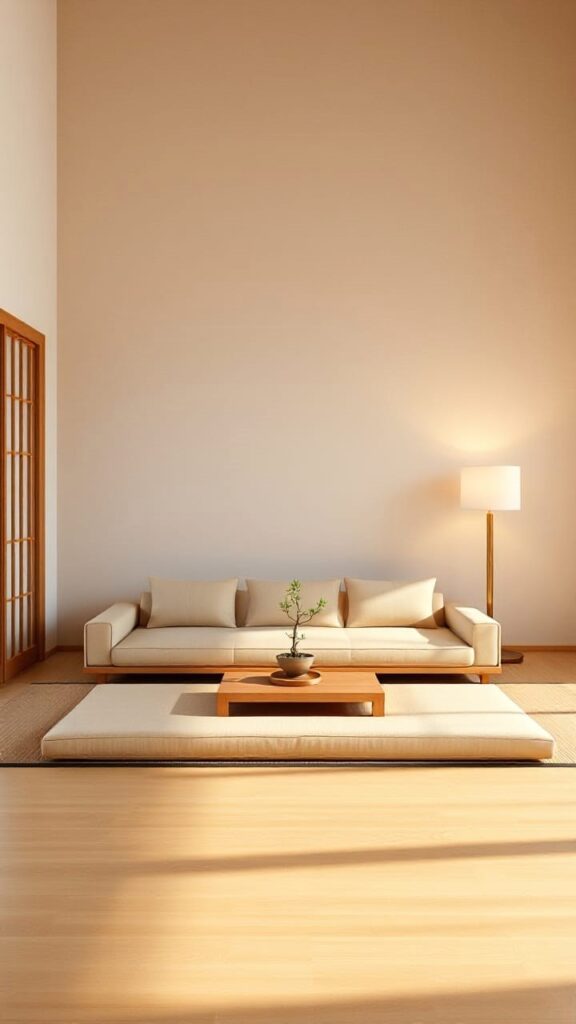
Japanese Minimalist Living Room Design

Japanese minimalism takes simplicity to a deeper level.

It’s not just about how a space looks; it’s about how it feels when you sit in it. Calm, balanced, and almost quiet in a visual sense.

This style focuses on removing distractions so your mind can actually relax. And that’s why many minimalist living room ideas today are inspired by Japanese design.

At its core, everything is intentional. Nothing is random.

What Defines Japanese Minimalism

Instead of filling the room, this style creates space.

That space is not wasted. It’s what makes the room feel peaceful.

Key elements include:

  • low-profile furniture placed close to the floor
  • natural materials, often darker wood tones
  • simple window treatments like light blinds or screens
  • floor cushions for flexible seating
  • very minimal decor, only what truly matters
  • open, uncluttered space
  • Indoor plants or bonsai for a natural touch

Why It Feels So Calm

One of the biggest differences in Japanese design is how it uses space.

There’s no pressure to fill every corner.

Instead, the room is allowed to breathe.

Low furniture makes the ceiling feel higher.
Open areas reduce visual noise.
Natural materials add warmth without clutter.

The result is a space that feels grounded and slow in the best way possible.

How to Apply This Style at Home

You don’t need to fully redesign your living room to get this look.

Start small:

  • Choose lower seating or a simple sofa
  • Reduce unnecessary decor
  • Keep your color palette soft and natural
  • Add one or two plants instead of many

Japanese minimalism is not about doing less.

It’s about doing just enough, and doing it with intention.s.

Japanese Zen Living Room | Calm Minimalist Home Aesthetic

Japanese Zen Living Room | Calm Minimalist Home Aesthetic

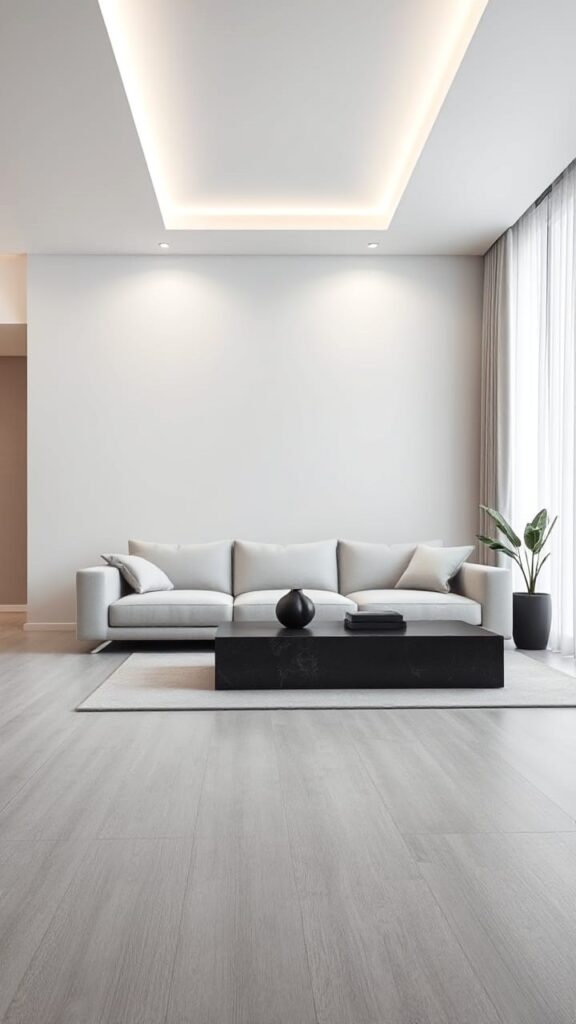
Modern Minimalist Living Room

Modern minimalism is a slightly sharper, more refined version of minimal design.

It still follows the same core idea of keeping things simple, but the overall look feels more polished, structured, and a bit bolder compared to softer styles like Scandinavian or cozy minimalism.

If you like spaces that feel clean, sleek, and modern, this is where most minimalist living room ideas naturally lead.

What Defines Modern Minimalism

Instead of focusing on warmth and softness, this style leans more toward structure and contrast.

You’ll often see a mix of materials that reflect light and create a crisp, high-end feel.

Key elements include:

  • glass coffee tables for a light and open look
  • metal accents like chrome, brass, or matte black
  • strong geometric shapes in furniture and decor
  • a mostly monochromatic color palette
  • statement lighting that doubles as a design feature

Everything feels intentional and visually balanced, without unnecessary decoration.

Why This Style Feels More Polished

Modern minimalist spaces often look more “put together” because of their clean lines and defined shapes.

There’s less softness and more structure.

For example:

  • sharp-edged tables instead of rounded ones
  • bold lighting fixtures instead of subtle lamps
  • contrast between light and dark tones

This creates a slightly more dramatic look while still keeping the space uncluttered.

How to Use This Style Without Making It Feel Cold

The only downside of modern minimalism is that it can sometimes feel a bit too sharp or impersonal.

To balance that:

  • Add one or two soft textures (like a rug or throw)
  • Mix in a bit of wood to reduce the harshness
  • avoid overusing dark tones

Even small adjustments can make the space feel more comfortable without losing that clean aesthetic.


Modern minimalism is not about making your living room look strict.

It’s about creating a space that feels clean, confident, and effortlessly stylish. Details.

Modern Minimalist Living Room | Sleek Contemporary Style

Modern Minimalist Living Room | Sleek Contemporary Style

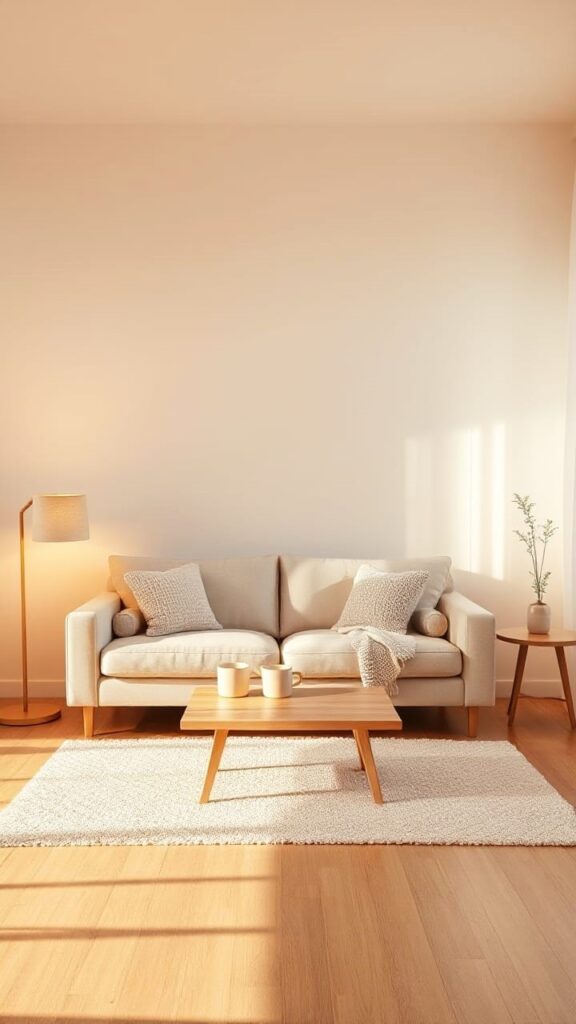
Warm Minimalist Living Room Ideas

This is the version of minimalism most people actually fall in love with.

It keeps all the simplicity, but removes the cold feeling. The space feels calm, soft, and comfortable, almost like it’s designed for real everyday living, not just for looks.

If you want your home to feel relaxed and welcoming, this is one of the easiest minimalist living room ideas to follow.

What Makes It Feel Warm and Inviting

Warm minimalism is all about balance.

You keep the clean lines and uncluttered look, but you add just enough softness to make the space feel lived-in.

Key elements include:

  • warm neutral tones like beige, cream, and taupe
  • natural wood finishes that add depth
  • soft textiles like throws, cushions, and rugs
  • Warm lighting instead of harsh white light
  • subtle earth-tone accents
  • furniture that feels comfortable, not stiff

Why This Style Works So Well

Some minimalist spaces can feel a bit too perfect.

Warm minimalism fixes that.

It feels:

  • more relaxed
  • more personal
  • and easier to live in every day

You don’t feel like you have to “protect” the space. You can actually use it and enjoy it.

How to Get This Look at Home

You don’t need to change everything.

Start small:

  • switch to warmer lighting
  • Add a textured throw or rug
  • bring in wood elements
  • Keep your color palette soft and consistent

Warm minimalism is proof that simplicity doesn’t have to feel empty.

It can feel comfortable, calm, and genuinely inviting.

Warm Minimalist Living Room | Cozy & Inviting Home Style

Warm Minimalist Living Room | Cozy & Inviting Home Style

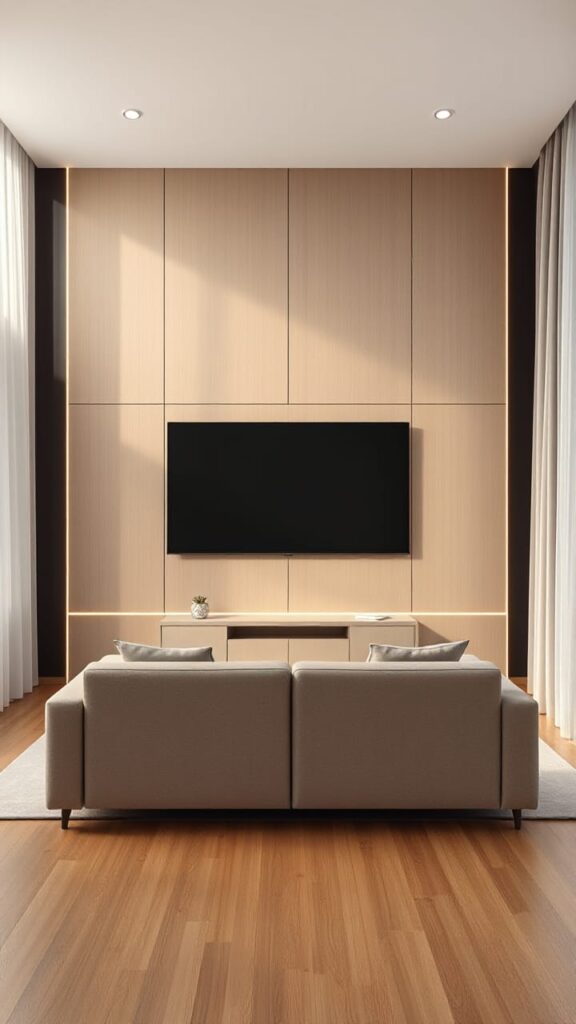
Minimalist Living Room with TV Wall Ideas

Let’s be honest for a second.

The TV is usually the biggest visual element in the living room. And if it’s not handled properly, it can easily break the clean look you’re trying to create.

But the good news is, you don’t have to remove it. You just need to style it in a way that fits your minimalist living room ideas instead of fighting against them.

Option 1: The Gallery Wall Mount

One of the easiest ways to make your TV blend in is to stop treating it like a separate object.

Mount it on the wall and build a simple gallery around it using neutral frames.

When the TV is off, it visually becomes part of the wall instead of standing out as a black screen.

To make this work:

  • Keep frames simple and minimal
  • stick to neutral tones
  • avoid overcrowding the wall

The goal is balance, not decoration overload.

Option 2: The Hidden Cabinet

If you prefer a cleaner look, hiding the TV completely is a great option.

You can use:

  • sliding panels
  • lift-up cabinets
  • or closed media units

This keeps the TV out of sight when you’re not using it, which helps maintain a calm and clutter-free space.

Sleek Minimalist TV Wall Design Ideas

Sleek Minimalist TV Wall Design Ideas

Option 3: The Minimalist Media Console

Choose a simple, low media console in a wood tone that matches your space. Keep the surface completely clear to maintain a clean look. Cable management is especially important with this setup.

Cable management tips:

  • Use cable covers that match your wall color
  • Run cables through the wall when possible
  • Hide cords using cable boxes or organizers behind furniture
  • Go wireless whenever you can

With everything neatly hidden, the TV setup feels intentional and truly minimalist.

Which Option Should You Choose?

It depends on your lifestyle.

If you use your TV often, the gallery wall setup is practical and still looks good.

If you want a more minimal and distraction-free space, hiding the TV works better.


A minimalist living room is not about removing things you enjoy.

It’s about making sure everything, even your TV, fits naturally into the space without creating visual clutter.

Minimalist TV Wall Setup | Clean & Modern Living Room

Minimalist TV Wall Setup | Clean & Modern Living Room

Storage Solutions That Keep Clutter at Bay

If there’s one thing that truly defines minimalism, it’s this: how well you manage clutter.

You can have all the right furniture and colors, but if everyday items are always visible, the space will never feel calm. That’s why storage plays such a big role in making minimalist living room ideas actually work in real life.

The goal is simple: keep what you need, but keep it out of sight.

Closed Storage Systems

This is where minimalism really comes together.

Closed storage is your best friend because it hides the visual mess while still keeping everything accessible.

Instead of open shelves filled with random items, go for storage that keeps things neatly tucked away.

Smart options include:

  • cabinets with doors for everyday items
  • ottomans with hidden storage for blankets or extra pillows
  • console tables with drawers for small essentials
  • built-in or floating cabinets that keep the floor clear

Why Closed Storage Works Better

Open storage can look nice in photos, but in daily life, it often turns into clutter.

Closed storage solves that problem.

It helps your space feel:

  • cleaner
  • more organized
  • easier to maintain

You don’t have to constantly style or rearrange things. Everything has its place, just out of sight.

Keep It Simple

You don’t need a lot of storage units.

Just a few well-placed ones are enough.

Focus on:

  • function first
  • clean design
  • neutral finishes

When your storage blends into the room instead of standing out, your entire living space feels more peaceful.


Minimalism isn’t about having less stuff.

It’s about making sure your space doesn’t feel overwhelmed by it.

Minimalist Built-In Storage | Seamless Wall Cabinet Design

Minimalist Built-In Storage | Seamless Wall Cabinet Design

The “One In, One Out” Rule

For every new item that enters your living room, one old item leaves. Keeps the balance.

Basket Strategy

A few carefully chosen baskets made from natural materials like woven seagrass or rattan are perfect for hiding everyday items. Use them to store remotes, magazines, or other small clutter while still keeping your living room looking intentional and organized.


Common Minimalist Living Room Mistakes (And How to Avoid Them)

Minimalism looks simple on the surface, but it’s easy to get it wrong.

A lot of people follow minimalist living room ideas but still end up with a space that feels uncomfortable, empty, or impractical. The good news is, most of these mistakes are easy to fix once you know what to look for.

Mistake 1: Too Cold and Sterile

This is the most common problem.

A room with only white walls, sharp furniture, and no texture can feel lifeless instead of calm.

The fix:
Bring in warmth through:

  • soft fabrics like throws and cushions
  • Warm lighting instead of harsh white light
  • a few personal items that actually mean something

You don’t need a lot. Even one framed photo or a handmade piece can make the space feel more human.

Mistake 2: Uncomfortable Furniture

Minimal doesn’t mean uncomfortable.

Sometimes people choose furniture that looks good but feels terrible to use.

The fix:
Always prioritize comfort along with design.

  • Test your sofa before buying
  • Choose cushions that support you properly,
  • Avoid overly stiff or shallow seating

Your living room should feel good to sit in, not just look good.

Mistake 3: Poor Lighting

Lighting can completely change the mood of your space.

Even a well-designed room can feel dull if the lighting is wrong.

The fix:
Use layered lighting:

  • ambient light (general lighting)
  • task lighting (reading lamps, etc.)
  • accent lighting (soft highlights)

Stick to warm bulbs and use dimmers if possible.

Minimalist Living Room Mistakes | Before & After Fixes

Minimalist Living Room Mistakes | Before & After Fixes

Mistake 4: Following Trends Blindly

Trends come and go.

Minimalism should feel timeless, not temporary.

The fix:
Choose pieces you genuinely like, not what’s trending on social media.

If you follow trends too closely, your space may look good now, but feel outdated quickly.

Mistake 5: Not Enough Storage

This is where many minimalist setups fail in real life.

Without proper storage, clutter slowly builds up again.

The fix:
Plan your storage from the beginning.

Use:

  • hidden cabinets
  • storage ottomans
  • simple shelving

Good storage keeps your space clean without extra effort.

Minimalism works best when it feels natural.

Avoid these mistakes, and your living room will not just look minimal, it will actually feel calm and easy to live in.

Seasonal Minimalist Decor Switches

Keep your minimalist living room fresh without adding clutter by swapping decor seasonally instead of piling on more items.

Spring / Summer:

  • Lighter throw blankets
  • More greenery
  • Sheer curtains
  • Fresh flowers

Fall / Winter:

  • Chunky knit throws
  • Warmer lighting
  • Dried branches or grasses
  • Deeper accent colors

The key rule: swap, don’t add. Keep the total number of decor pieces the same so your space stays clean and intentional.

Seasonal Minimalist Decor | Summer vs Winter Styling

Seasonal Minimalist Decor | Summer vs Winter Styling

Adding Personality Without Adding Clutter

This is the art of minimalism: making it yours without making it messy.

The Statement Art Piece

One large piece of art creates more impact than several small ones. Choose artwork that truly speaks to you and let it be the focal point of the room.

Minimalist Living Room with Statement Art | Modern Wall Decor

Minimalist Living Room with Statement Art | Modern Wall Decor

The Meaningful Object Display

Instead of filling shelves with random decor, choose 3–5 items that truly matter to you, such as:

  • A sculpture from your travels
  • A handmade ceramic piece
  • A vintage item with history
  • A meaningful family heirloom

Display these pieces with plenty of space around them. Let each item stand on its own and breathe, that’s what makes minimalist decor feel intentional, not empty.

The Signature Scent

Minimalism isn’t only about how a space looks; it’s also about how it feels. A single, well-chosen candle or diffuser can add warmth and atmosphere without adding visual clutter.

Personal Photos, But Keep It Minimal

One thoughtfully framed photo has more impact than a wall full of snapshots. Choose your favorite image and let it stand alone as a meaningful, understated accent.

Minimalist Living Room Decor Ideas 2026

What’s trending right now in minimalist spaces:

1. Curved Furniture

Soft edges and organic shapes are replacing harsh angles. Think rounded sofas and circular coffee tables.

2026 Minimalist Living Room Trends | Soft Curves & Organic Design

2026 Minimalist Living Room Trends | Soft Curves & Organic Design

2. Sustainable Materials

Minimalism is becoming more conscious. Materials like reclaimed wood, organic cotton, and recycled glass create a clean look while being better for the planet.

3. Smart Home Integration

Modern minimalism hides technology instead of showing it off. Think wireless charging built into furniture, voice-controlled lighting, and speakers you can’t see.

4. Biophilic Design

Bringing nature indoors is a growing trend. More plants, natural textures, and earthy materials help create a minimalist space that feels alive and calming.

5. Monochromatic Maximalism

This style sticks to one color family but layers different shades and textures. The result is rich and interesting without breaking minimalist principles.

2026 Monochromatic Living Room | Warm Beige Minimalism

2026 Monochromatic Living Room | Warm Beige Minimalism

The Minimalist Living Room Checklist

Ready to get started? Use this simple roadmap to build a calm, clutter-free living room without feeling overwhelmed.

Phase 1: Declutter (Week 1)

  • Remove anything that doesn’t serve a purpose
  • Donate or sell extra furniture
  • Clear all visible surfaces
  • Organize what remains using proper storage

Phase 2: Color & Paint (Week 2)

  • Choose a neutral color palette
  • Paint walls if needed
  • Limit accent colors to 2–3 maximum

Phase 3: Essential Furniture (Week 3–4)

  • Invest in a comfortable, quality sofa
  • Add a simple coffee table
  • Include 1–2 accent chairs if space allows
  • Plan smart storage solutions

Phase 4: Lighting (Week 5)

  • Add floor lamp(s)
  • Include table lamps
  • Install dimmers where possible
  • Maximize natural light

Phase 5: Finishing Touches (Week 6)

  • Add 2–4 throw pillows
  • Include one throw blanket
  • Bring in plants
  • Add a statement art piece
  • Display 3–5 meaningful decorative objects

This phased approach keeps the process manageable and helps you build a minimalist living room that feels intentional, calm, and lived-in.

Frequently Asked Questions

What is minimalist living room decor?

Minimalist living room decor adheres to the “less is more” principle. It focuses on clean lines, neutral colors, and furniture that is both functional and beautiful. It’s not about having nothing, it’s about keeping only what truly matters. Every item should have a purpose or meaning.

How do I make my living room look minimalist?

Start by decluttering. Remove anything that doesn’t serve a purpose or bring real joy. Choose a neutral color palette like white, beige, or grey. Invest in a few quality furniture pieces instead of many small ones. Keep surfaces clear, maximize natural light, and use hidden storage to control clutter.

What colors are best for a minimalist living room?

Neutral tones work best with white, cream, beige, grey, soft browns, and muted earth tones. These colors create a calm base. You can layer different shades of the same color to add depth without breaking the minimalist look.

Can a minimalist living room be cozy?

Yes, absolutely. Minimalism doesn’t have to feel cold. Add warmth through textures like chunky knit throws, linen cushions, and wool rugs. Use warm lighting instead of harsh overhead lights. Add plants and choose furniture that’s actually comfortable.

How much furniture should be in a minimalist living room?

Stick to the essentials:

  • One comfortable sofa
  • One coffee table
  • One or two chairs (if space allows)
  • One storage unit

If a piece doesn’t have a clear purpose, it probably doesn’t belong.

Is minimalist decor expensive?

Not at all. Minimalism can actually save money because you buy less. Budget stores, thrift finds, IKEA, and DIY solutions work perfectly. Minimalism is about intentional choices, not expensive ones.

What’s the difference between minimalist and modern living rooms?

Minimalist design focuses on simplicity and function, removing anything unnecessary. Modern design follows current trends and may include bold colors or statement pieces. You can have a modern minimalist room, but not all modern rooms are minimalist.

How do I add personality to a minimalist living room?

Keep it selective:

  • One statement art piece
  • 3–5 meaningful objects
  • A unique plant
  • One accent color
  • A vintage or handmade item

Personality comes from intention, not quantity.

What type of sofa is best for a minimalist living room?

Look for sofas with clean lines, neutral colors, simple legs, and a timeless shape. Avoid heavy detailing or bulky designs. Comfort matters just as much as style. A low-profile, simple sofa works best.

How do I organize a minimalist living room?

Use hidden storage like closed cabinets, storage ottomans, or media consoles. Keep surfaces mostly clear, 1–3 items max. Everything should have a designated place, preferably out of sight.

Can I have a TV in a minimalist living room?

Yes. Wall-mount the TV and hide cables properly. Use a simple media console or hide the TV behind sliding panels. The key is making it feel intentional, not messy.

What mistakes should I avoid in minimalist decor?

Avoid these common mistakes:

  • Making the room feel cold or sterile
  • Choosing uncomfortable furniture
  • Using harsh overhead lighting
  • Copying trends you don’t actually like
  • Ignoring storage planning

Warmth, comfort, and function are just as important as clean design.

Minimalist Living Room Goals | The Dream Cozy Home

Minimalist Living Room Goals | The Dream Cozy Home

Final Thoughts: Your Minimalist Living Room Journey

Here’s the thing most people don’t tell you about minimalism.

It’s not about making your space look perfect.
It’s about making your space feel better.

A good minimalist living room doesn’t feel empty or strict. It feels calm. It gives you a sense of ease the moment you walk in. And honestly, that’s what really matters at the end of the day.

You don’t need a complete makeover to get there.

Start small:

  • Clear your coffee table
  • remove things you don’t actually use
  • Adjust your lighting
  • Maybe refresh one wall

These small steps might seem simple, but they add up quickly. And over time, your space starts to feel lighter and more intentional.

Minimalism isn’t about giving things up.
It’s about making room for what actually matters to you.

That could be:

  • space for your kids to play
  • a quiet corner to relax
  • or just a clean surface where you can enjoy your morning coffee

Your version of minimalism doesn’t have to look like anyone else’s.

Maybe you keep a few books, a vintage piece, or something personal that makes you happy. That’s perfectly fine. As long as everything has meaning, your space will still feel balanced.

The goal is simple.

Create a living room you actually enjoy using.
Not one that looks good in photos but feels uncomfortable in real life.

If you’re ready to take it further and explore more practical ideas, you can always find fresh inspiration on Decorival.com, where simple, real-life home ideas are made easy to follow.

Start with one small change today.

That’s all it takes to begin.

Leave a Reply

Your email address will not be published. Required fields are marked *